Planning a school field trip bus rental means thinking about safety first, then size, then logistics. This guide covers FMCSA compliance, vehicle choice, and headcount planning.
Safety First: What to Look For
Student transportation lives or dies on safety standards. Before you book a school field trip bus, confirm that the carrier is FMCSA-registered, the vehicle is inspected on a preventive maintenance schedule, and the driver holds the correct license and endorsements for student transport.
Ask for proof of commercial auto liability coverage and confirm the driver has passed a federal background check, pre-employment and random drug testing, and an annual driving-record review. A reputable charter company will provide a certificate of insurance and documentation on request, and so will RoadNation.
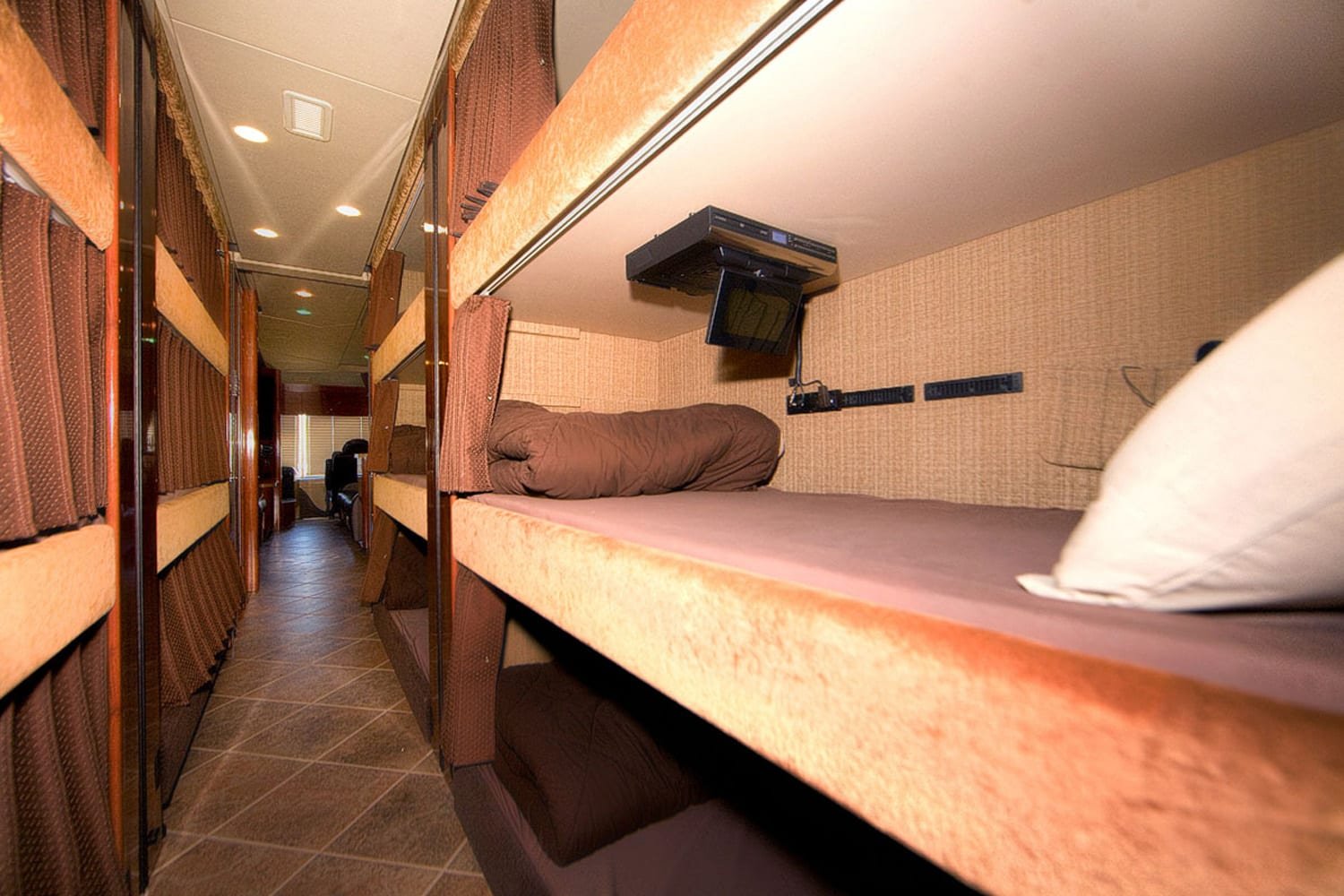
For trips that cross state lines, federal hours-of-service rules apply, which limit how long a single driver can be behind the wheel. Long one-way trips may require a second driver or an overnight stay, and that is reflected in the quote.
Choosing the Right Vehicle for the Trip
The vehicle you pick should match the trip length, the passenger count, and the amenities the students actually need. A 20-minute local ride does not require the same bus as a four-hour museum trip across the state.
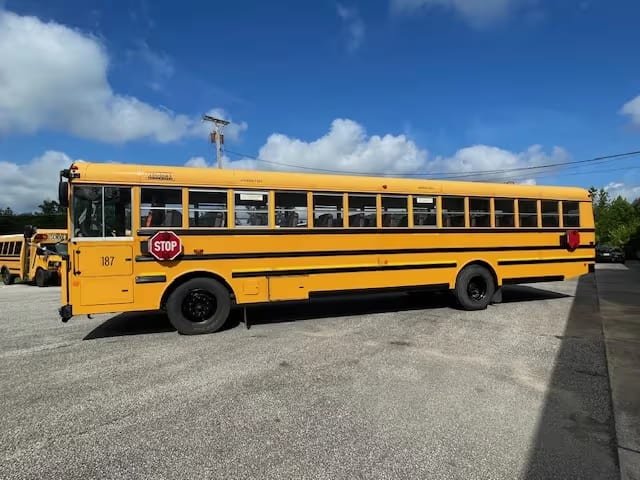
- School bus (44 to 48 passengers): The simplest no-frills option for short local trips. No WiFi or restroom, but the right fit for day camps and in-town field days.
- Minibus (24 to 35 passengers): A good middle ground for smaller classes and short regional trips where a restroom is nice to have.
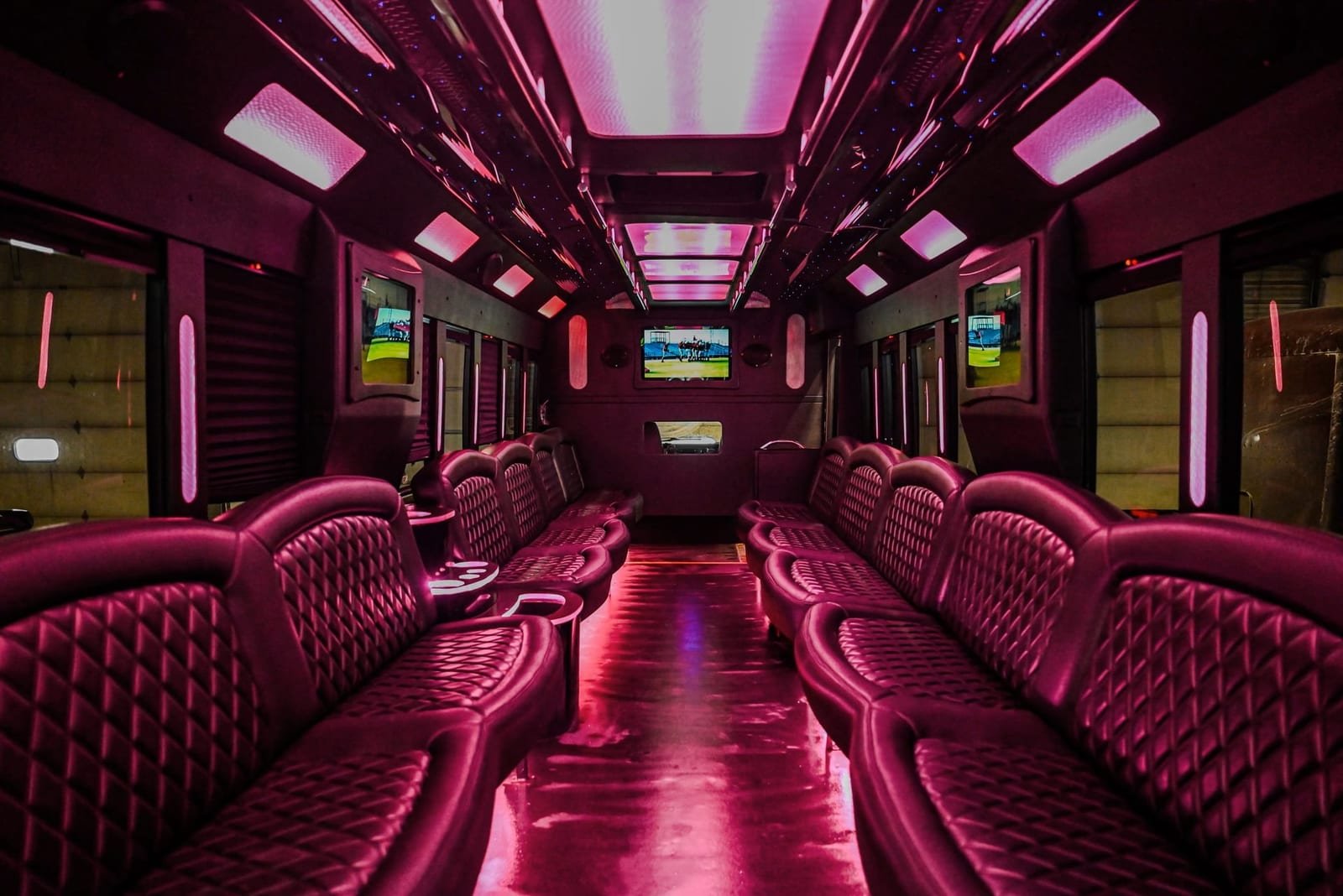
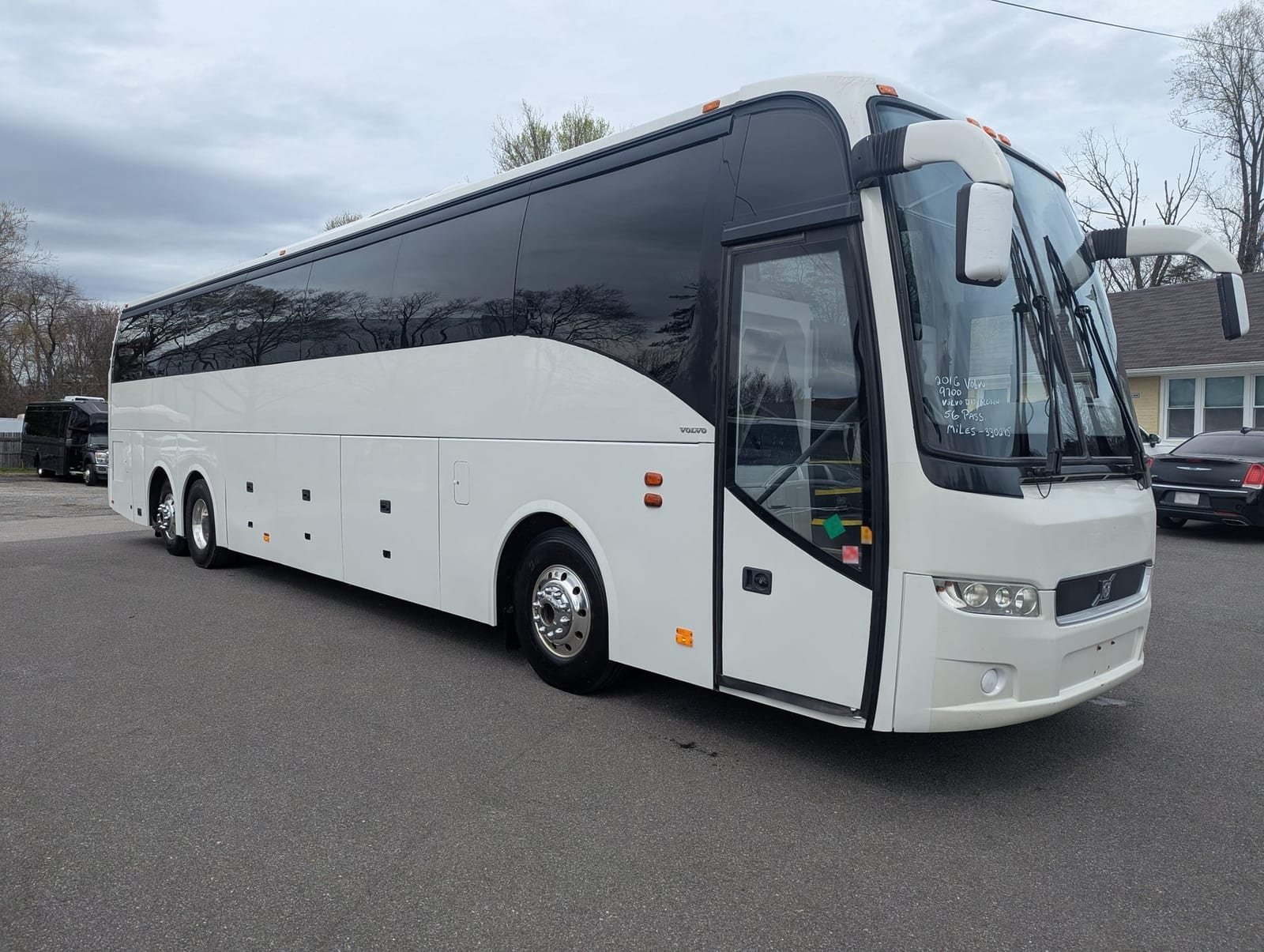
- Motorcoach (47 to 56 passengers): The right pick for long-distance and multi-hour trips. Onboard restroom, WiFi, reclining seats, and luggage bays for backpacks and supplies.
- Multiple buses: For grade-wide trips of 90+ students, book two motorcoaches instead of overloading one and keep chaperone ratios intact on each bus.
Planning Pickup, Drop-Off, and Chaperone Headcounts
Start with the bell schedule. The bus needs to arrive at the school with enough time to load, and it needs to return before dismissal unless the trip is an all-day event. Build 15 minutes of loading slack at every stop and confirm the destination can actually park a full-size motorcoach.
Chaperone planning is just as important as student headcount. A common ratio is one adult for every 10 students, plus the driver. Reserve chaperone seats when you book so the bus is sized for the full group, not just the student count.
Give the driver a printed roster and a contact number for the lead teacher. On the return trip, do a headcount before the bus leaves the destination, not after it arrives back at the school.
Accessibility and Special Needs
Every student deserves to travel with their class. If any student uses a wheelchair or has limited mobility, request an ADA-accessible motorcoach or minibus with a wheelchair lift and tiedown stations. These vehicles are available in most major markets, but they require advance notice, so mention accessibility needs at the first quote request.
Other accommodations worth flagging early: seating for a nurse or aide, refrigerated storage for medication, and a quiet bus for students with sensory sensitivities. The more the charter company knows up front, the cleaner the day runs.
Booking Timeline and Paperwork
Book school field trip transportation 4 to 6 weeks in advance for in-state trips and 8 to 12 weeks in advance for multi-state or end-of-year trips, when demand from schools and summer camps peaks. Confirm the deposit, the cancellation window, and the weather contingency in writing.
Most school districts need a certificate of insurance, a W-9, and an itemized quote to issue a purchase order. Request all three when you first ask for a quote so paperwork does not delay the booking. RoadNation provides an all-inclusive school trip quote that includes the driver, fuel, insurance, and mileage so the invoice matches the plan the school approved.
Ready to Book?
Get an all-inclusive charter bus quote within 2 hours. Share your route, dates, and group size and our team will match you to the right vehicle.
Frequently Asked Questions
It depends on trip length and passenger count. A school bus (44 to 48 passengers) is the right no-frills option for short local trips under an hour with no need for a restroom or WiFi. A motorcoach (47 to 56 passengers) is the right pick for long-distance and multi-hour trips thanks to an onboard restroom, WiFi, reclining seats, and luggage bays for backpacks and supplies.
A reputable carrier confirms every driver holds the correct license and endorsements for student transport, has passed a federal background check, is enrolled in pre-employment and random drug testing, and gets an annual driving-record review. Ask for proof when you book. RoadNation provides documentation on request.
A common ratio is one adult for every 10 students, plus the driver. Reserve chaperone seats when you book so the bus is sized for the full group, not just the student count. Give the driver a printed roster and a contact number for the lead teacher, and do a headcount before the bus leaves the destination on the return trip.
Yes. ADA-accessible motorcoaches and minibuses with a wheelchair lift and tiedown stations are available in most major markets with advance notice. Mention accessibility needs at the first quote request. Other accommodations like seating for a nurse or aide, refrigerated storage for medication, and a quiet bus for sensory sensitivities can also be arranged.
Maria G.
Nine years on the RoadNation dispatch floor — school runs, sports charters, and wedding weekends. I build the routes, answer the 24/7 line on trip days, and write these guides the way I would explain them to a group leader on the phone.