Sports team travel has its own timeline, gear load, and warm-up window. This guide covers bus sizes, equipment storage, departure timing, and the logistics that keep a team on schedule.
Why Sports Teams Charter a Bus
A sports team does not travel like a wedding party or a corporate group. The roster travels together, the equipment travels with them, and the arrival window is fixed by a warm-up time the coach will not move. A charter bus solves all three at once: one vehicle, one schedule, and one point of accountability for the route.
It also keeps the team in the right frame of mind. Players arrive rested instead of driving themselves. Coaches can review the game plan in transit. And the equipment, from bats to pads to scouting binders, stays with the team instead of getting lost in a baggage carousel or a rental car trunk.
Matching the Bus to the Roster
Roster size drives the vehicle choice. A football or basketball team has a different headcount than a golf squad or a tennis team, and the bus should match the body count plus the staff, not the other way around.
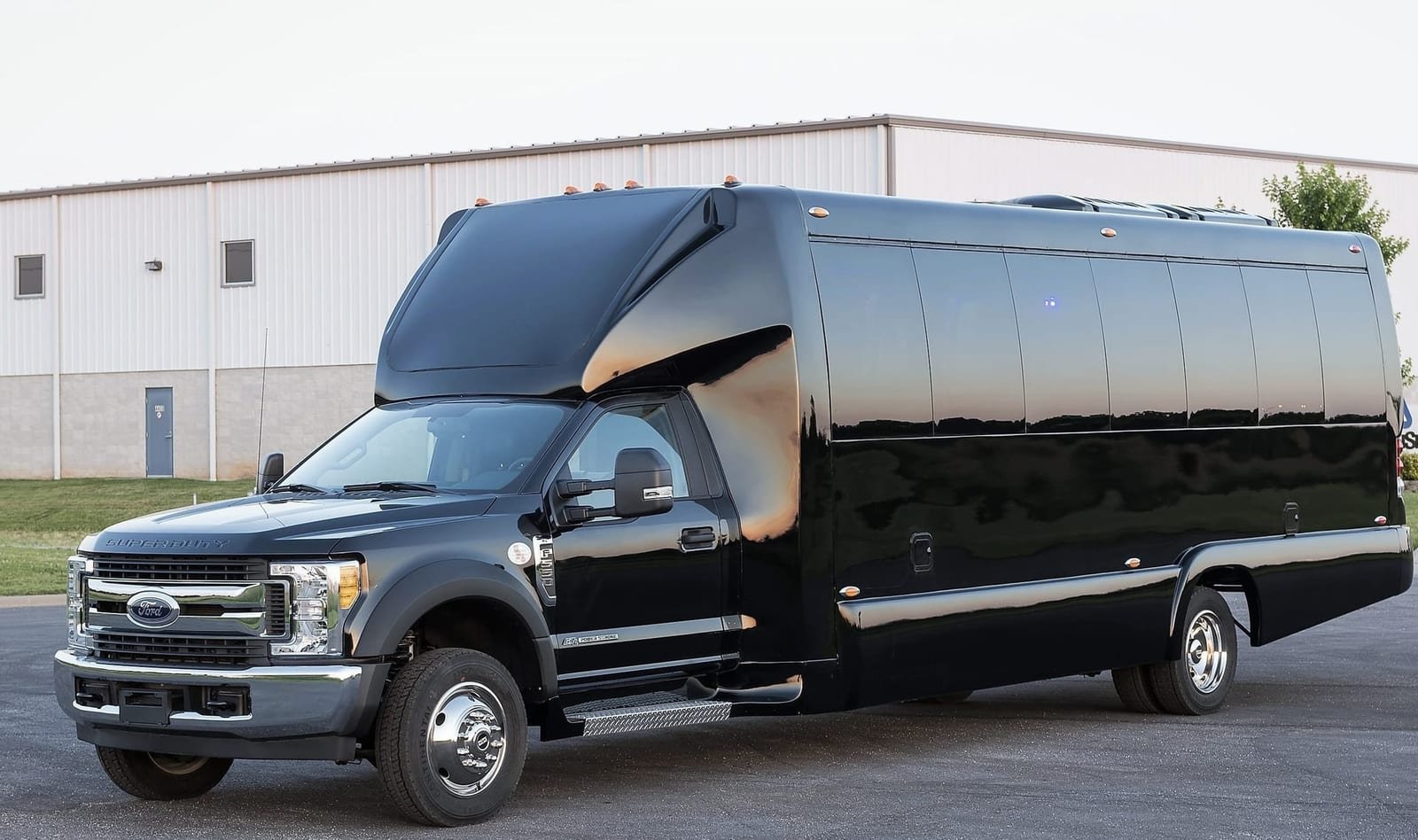
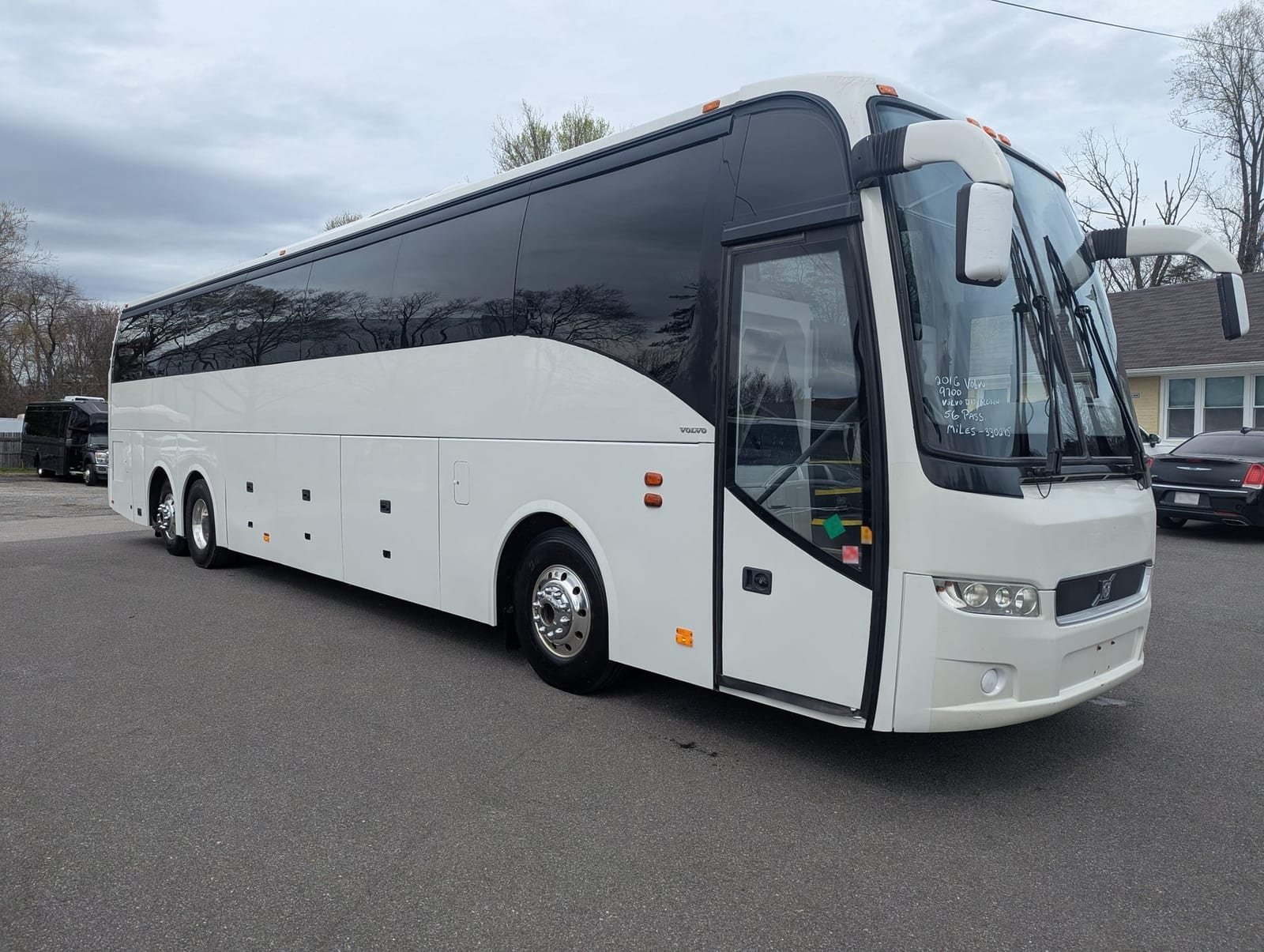
- Motorcoach (47 to 56 passengers): The right pick for a football, soccer, or basketball roster plus coaches and trainers. Underfloor luggage bays hold equipment bags, and the onboard restroom handles long away-game drives.
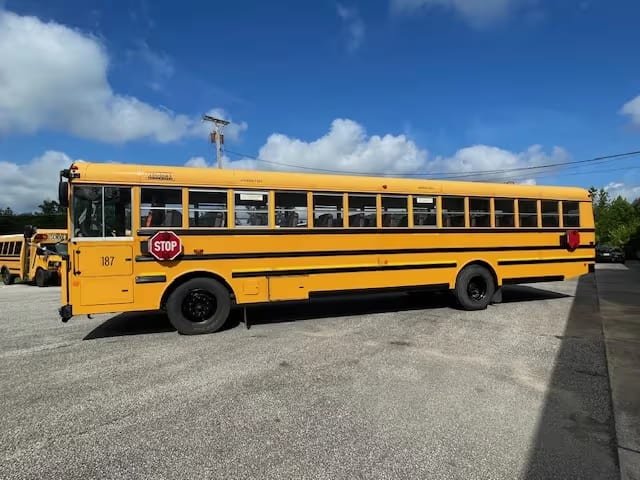
- Minibus (24 to 35 passengers): The right pick for a volleyball, baseball, or cross-country team plus staff. A practical fit for regional away games.
- Sprinter van (12 to 15 passengers): The right pick for a coaching staff, a small golf or tennis squad, or a recruiting visit.
- Sleeper coach (12 to 14 with bunks): The right pick for a multi-day road series or a tournament run that covers long miles overnight.
Equipment Storage and Loading
Equipment is the variable that sports travel planners underestimate. A football team's equipment trailer does not fit inside a motorcoach, and a baseball team's bat bags and equipment trunks need the full underfloor bay. Share the equipment list with the charter company at the quote stage so the right vehicle — or a vehicle with a trailer hitch — is matched.
Build loading time into the departure schedule. A motorcoach with 50 players and equipment bags takes 20 to 30 minutes to load, not 10. If the warm-up window is fixed, the bus needs to leave early enough to absorb that loading time plus a 30-minute traffic buffer on routes through major metros.
For teams that travel with an equipment trailer, confirm the hitch class and the towing capacity when you book. Some motorcoaches can be equipped with a hitch, but it has to be specified in advance and the trailer weight has to be within the legal limit.
Departure Timing and the Warm-Up Window
The warm-up window is the fixed point the whole travel schedule is built around. Work backward from warm-up, not forward from the bus departure. A common plan is: bus arrives at the venue 60 to 90 minutes before warm-up, warm-up starts at a fixed time, and the bus departs the origin early enough to absorb loading, traffic, and a wrong-turn buffer.
For long away games that cross a state line, federal hours-of-service rules apply and a single driver may not be legal for the full round trip. Plan a second driver or an overnight stay, and book the bus with that constraint in mind. A tired driver is a safety and liability risk no program should accept.
For tournament play with multiple games across a weekend, keep the bus on-site or on a confirmed hourly charter so the team can return to the hotel between games without a vehicle shuffle. Share the full tournament schedule at the quote stage so the driver's hours are planned correctly.
Booking Timeline and Paperwork
Book sports team travel 4 to 8 weeks out for regular-season away games and 3 to 6 months out for postseason tournaments, when charter inventory across the country tightens. Most athletic departments need a certificate of insurance, a W-9, and an itemized quote to issue a purchase order. Request all three when you first ask for a quote so paperwork does not delay the booking.
RoadNation provides an all-inclusive sports team travel quote that covers the driver, fuel, insurance, mileage, and standard amenities. The invoice matches the plan the athletic department approved, with no surprises if the game runs long or the bus has to wait for a post-game media session.
Ready to Book?
Get an all-inclusive charter bus quote within 2 hours. Share your route, dates, and group size and our team will match you to the right vehicle.
Frequently Asked Questions
Sports team charter bus rentals cover everything from single-day away games to multi-day tournament runs. A motorcoach is the usual pick for a long away game thanks to its restroom, WiFi, and luggage bays for gear. Share your route, roster size, and equipment list for an exact all-inclusive quote.
Many motorcoaches can be equipped with a trailer hitch, but it has to be specified at booking and the trailer weight has to be within the legal towing limit. Share the trailer weight and hitch class when you book. If the equipment load exceeds what the bus can safely tow, a separate gear vehicle is the safer call.
Plan for the bus to arrive at the venue 60 to 90 minutes before the scheduled warm-up window. Work backward from warm-up, not forward from the bus departure, and build in 20 to 30 minutes for loading plus a 30-minute traffic buffer on routes through major metros.
Yes. A bus on a confirmed hourly charter can stay on-site throughout the game and be ready for an immediate post-game departure. For tournament play with multiple games across a weekend, keep the bus on a confirmed schedule so the team can return to the hotel between games without a vehicle shuffle.
Maria G.
Nine years on the RoadNation dispatch floor — school runs, sports charters, and wedding weekends. I build the routes, answer the 24/7 line on trip days, and write these guides the way I would explain them to a group leader on the phone.