Manhattan compresses every transportation problem into a few square miles: no parking, hotel blocks spread across Midtown, and tight pickup zones. This guide covers shuttle logistics by neighborhood, bus sizing, and airport transfers.
Why Manhattan Weddings Need a Shuttle Plan
Manhattan compresses everything a wedding shuttle solves into a few square miles, and it sharpens each problem. Parking comes first: most Manhattan venues, from Midtown ballrooms to Chelsea loft spaces, have no on-site lot, and street parking is metered, restricted, or simply unavailable. A charter bus rental removes the parking variable entirely and gets the full guest list to the door on one schedule.
Hotel blocks sharpen the second problem. A typical Manhattan wedding scatters out-of-town guests across three or four hotels in Times Square, the FiDi, or the Upper West Side, then asks all of them to converge on one crosswalk at 3:40 p.m. for a 4 p.m. ceremony. Eighteen separate rideshares converging on the same block is how Manhattan weddings run late; a wedding shuttle replaces the scramble with one vehicle on one schedule.
Congestion is the third. Midtown bus lanes, one-way avenues, street fairs, and UN-week closures can turn a 15-minute crosstown drive into 40 minutes without warning. The dispatcher who builds Manhattan routes every week knows which pockets to avoid at which hours — that operational knowledge is a real part of what you are booking, not just the seats.
Pickup and Drop-Off Logistics by Neighborhood
Every Manhattan neighborhood handles a curbside pickup a little differently. Confirm the exact door, not just the hotel, with the venue or hotel events team before you lock the route, then share the pickup list with the charter company so the driver knows each staging point.
- Times Square & Midtown hotels: Most large hotels have a designated bus loading zone on a side street, and some porte-cocheres cannot clear a full-size motorcoach. Confirm which entrance the bus uses and stage away from theater-hour crowds.
- FiDi: Waterfront venues near the Seaport and Battery Park share curb space with tour buses on weekends, so coordinate a fixed 10-minute load window with the venue. Weekend Wall Street traffic is light, which makes the runs themselves fast.
- Chelsea & the Meatpacking District: Narrow streets and active loading docks favor a minibus over a 45-foot coach. Stage the motorcoach on an avenue and let the minibus work the side streets.
- Upper East & Upper West Side: Residential curb rules and museum-block congestion apply on weekends. For Central Park-adjacent venues, plan the drop-off on a cross street and confirm where the coach waits during the ceremony.
Matching the Vehicle to Your Guest List
The fleet math for a Manhattan wedding matches any big-city wedding, with one local twist: vehicle footprint matters as much as seat count. A full-size motorcoach needs a 12-foot clearance and a turning radius many Midtown garages and side streets cannot handle, so the route and the vehicle have to be planned together.
If you are weighing capacity against maneuverability, the fleet pages below lay out seat counts, amenities, and dimensions side by side.
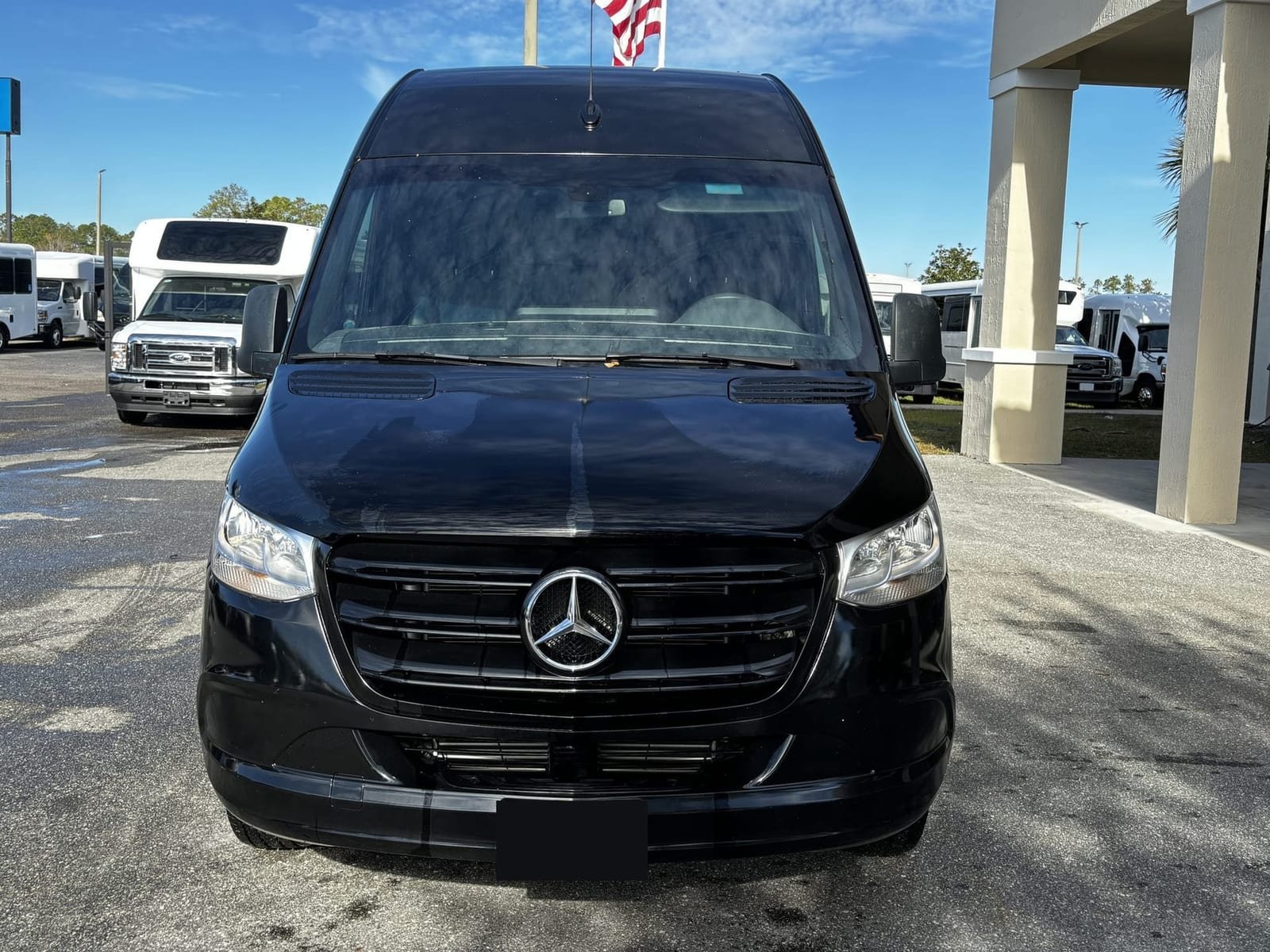
- 12 to 15 passengers: Sprinter van for the wedding party, parents, and VIPs — leather seating, privacy glass, and a quiet cabin for the people in the photos.
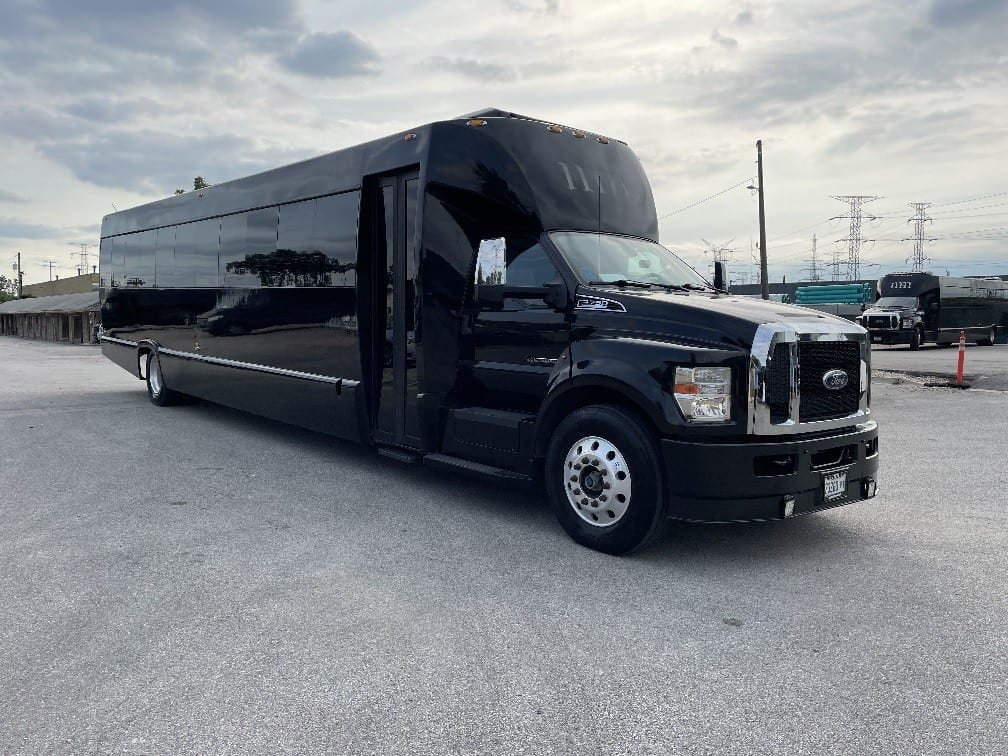
- 24 to 35 passengers: Minibus for a single hotel block or a medium guest list. This is the workhorse of Manhattan wedding shuttles because it fits curbs where a full coach cannot.
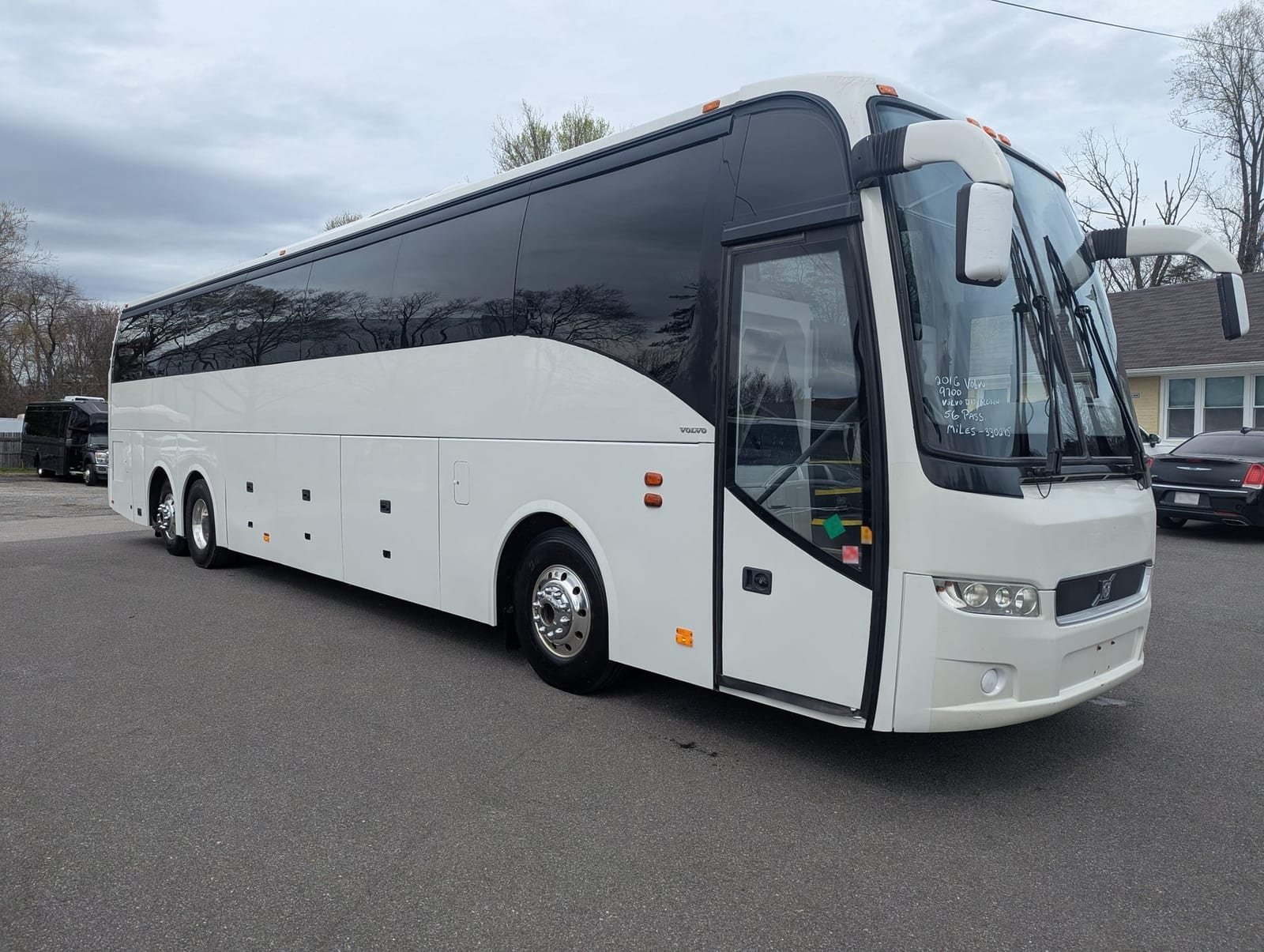
- 47 to 56 passengers: Motorcoach for a large guest list arriving in one window, or an airport run where checked bags need underfloor luggage bays.
- Multiple buses: For 150+ guests spread across several hotels, run two minibuses on staggered loops or pair a motorcoach on the main leg with a minibus on the overflow hotel.
Airport Transfers for Out-of-Town Guests
Most of a Manhattan wedding guest list flies in, and the airport leg is where a shuttle plan earns its price. RoadNation runs group transfers from all three area airports — JFK, LaGuardia, and Newark — with the driver tracking the flight roster, so a delayed inbound flight shifts the pickup instead of stranding half the guest list at the terminal.
Two logistics notes matter here. Newark adds a tunnel-and-toll leg, so time it differently from JFK or LaGuardia runs. And each airport limits how long a charter can sit at the terminal curb, so the driver stages in the holding lot and moves to the pickup area when the group is ready with bags. A minibus is the usual pick for hotel runs with carry-ons; a motorcoach absorbs a full group's checked luggage in the bays.
Booking Timeline and All-Inclusive Pricing
Book Manhattan wedding transportation 4 to 6 months ahead for peak season (May through October). September and October Saturdays are the busiest dates on the New York charter calendar, and the minibuses and motorcoaches already staged in the five boroughs go first. Off-peak, Friday, and Sunday weddings usually need 2 to 3 months of lead time.
When you quote, confirm what is included. A RoadNation quote is all-inclusive — driver, fuel, insurance, and mileage in one price — which matters in New York, where tolls, tunnel crossings, and an on-site wait during the reception can otherwise surface as line items later. For pickup-point specifics across the five boroughs, start with the New York City location page, then request a quote with your venue address, hotel list, and guest count.
Ready to Book?
Get an all-inclusive charter bus quote within 2 hours. Share your route, dates, and group size and our team will match you to the right vehicle.
Frequently Asked Questions
Most large hotels have designated bus loading zones on side streets, and venues without parking coordinate a curbside load window. Share the exact doors and hotel entrances when you book: the driver stages nearby, rolls up at the load time, and the planner gets the driver's cell number so a blocked curb is solved in real time.
Two motorcoaches on staggered loops, or a motorcoach paired with a minibus running a second hotel. A sprinter van covers the wedding party and VIPs separately. The split depends on how many hotels the guest block spans — share the hotel list and headcounts for an exact plan.
Book 4 to 6 months ahead for peak season (May through October). September and October Saturdays sell out first, and the vehicles staged closest to Manhattan go early. Off-peak, Friday, and Sunday weddings usually need 2 to 3 months of lead time.
Yes. Keep the bus on a confirmed hourly charter and run a return loop with the last departure about 20 to 30 minutes after the scheduled end. If the reception runs long, the driver waits on-site — the hourly rate is confirmed at booking, so there is no overtime surprise on the invoice.
Maria G.
Nine years on the RoadNation dispatch floor — school runs, sports charters, and wedding weekends. I build the routes, answer the 24/7 line on trip days, and write these guides the way I would explain them to a group leader on the phone.